Paver Driveway Reset with Polymeric Sand and Fresh Seal
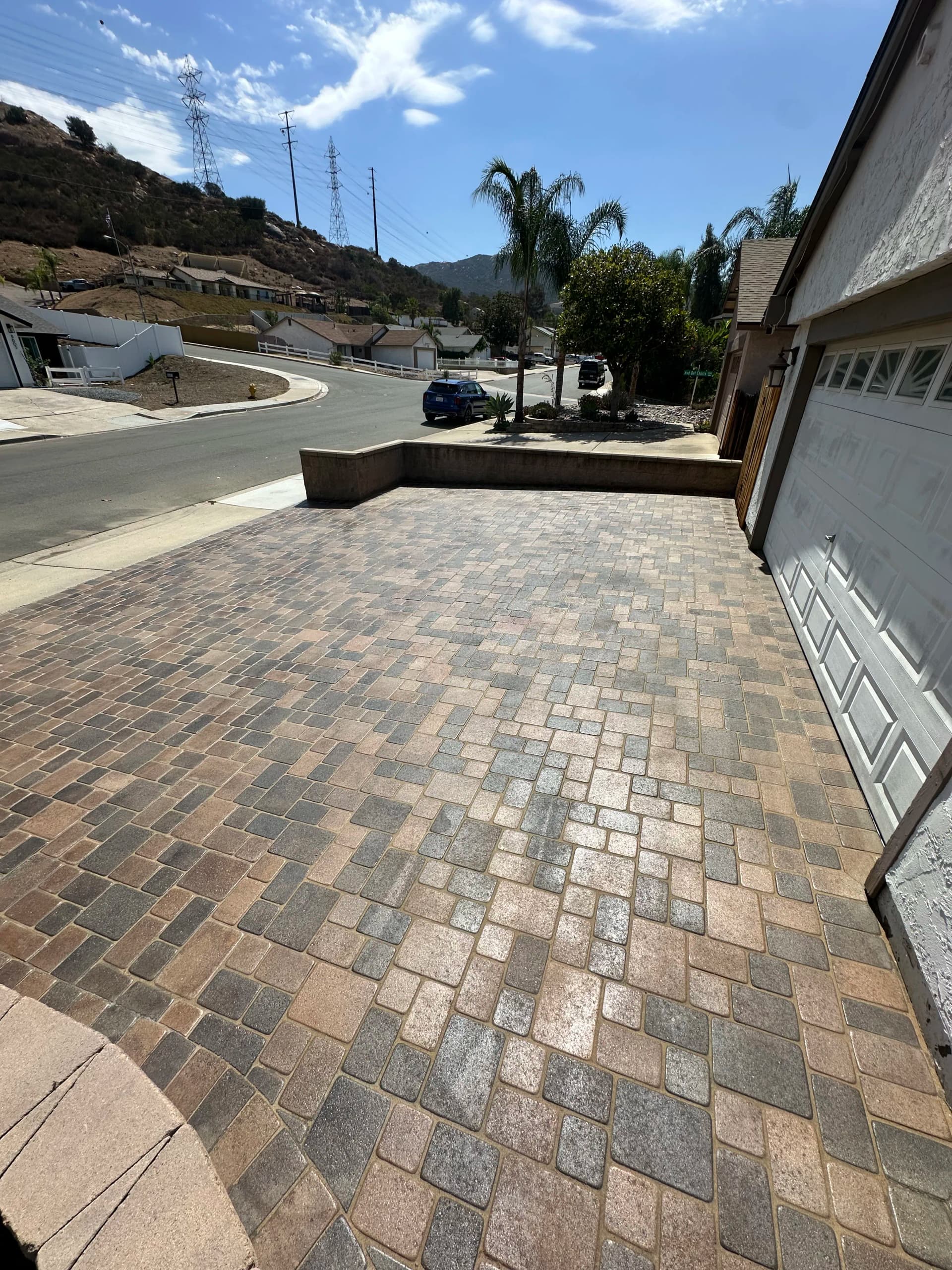
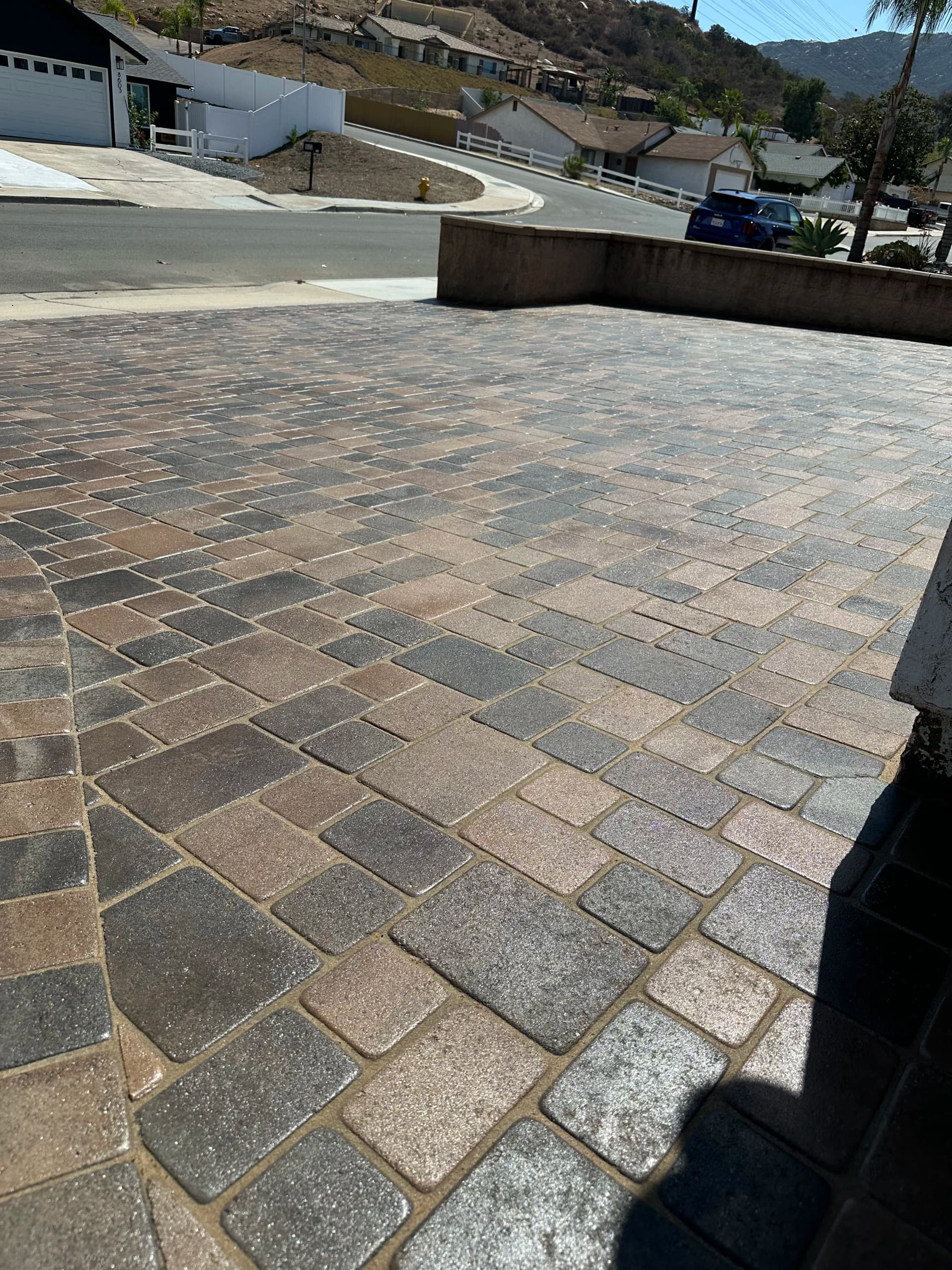
Most paver driveways don't fail all at once. They slowly fall apart - weeds push through the joints, oil stains set in, the sand washes out, and suddenly the whole surface looks tired and loose. That's exactly what we were dealing with here.
We started by cleaning out the old, failing joint sand and pressure washing the surface to pull out the oil stains and grime that had built up over time. Once everything was clean and dry, we packed in fresh polymeric sand. That stuff matters more than most people realize - it locks the pavers together, keeps weeds from rooting back in, and holds up against rain and foot traffic way better than regular sand.
After the sand was set, we sealed the entire driveway. The sealer does a few things at once. It enhances the color of the pavers, adds a layer of protection against staining and UV damage, and helps keep those joints locked in for the long haul. What you end up with is a surface that not only looks sharp but is actually more stable than before.
The difference between a paver driveway that gets a basic rinse and one that gets a full reset like this is significant. Clean joints, fresh sand, and a good seal - that's what keeps a driveway looking great and functioning the way it should. Skipping steps is how you end up doing the same job again in a couple years.